DIY vs Expert Sprinkler Installation: What You Need to Take into consideration
The first time I assisted a next-door neighbor mount a lawn sprinkler system, we set aside one weekend. We ended up on the 3rd, aching, sunburned, and a little humbled. The system worked, although we spent the following month dialing in head placement, fixing small leaks, and finding out why water pressure on paper does not always match what appears of a trench line after 8 tees and a rise in quality. That experience educated me a fact I have actually seen over and over: when it pertains to lawn sprinkler setup, layout choices made on the first day echo for several years, in water costs, in plant health and wellness, and in exactly how often you locate on your own down in the dust doing sprinkler repair.
This is not a scare piece. Plenty of property owners construct reliable, durable systems and take satisfaction in the outcomes. Lots of landscapes likewise benefit from expert teams that knock out a tidy, code compliant install in a day, then return seasonally for lawn sprinkler maintenance that keeps water make use of in check. The right choice relies on your home, your appetite for finding out and labor, and the way you value time, danger, and long term efficiency. The areas listed below lay out what absolutely matters as you decide.
What a Working System Really Requires
A lawn sprinkler is not just heads and pipeline. It is a hydraulic network that needs to match the capacity of your water source, supply also insurance coverage in the wind you get, think about inclines and dirt infiltration, secure your drinking water with heartburn prevention, and thread with gardens, patios, and energies you can not see from the surface. 4 foundations deserve your attention.
First, evaluate your water. You need static pressure, dynamic stress under circulation, and real flow price in gallons per minute. A simple container examination can give you a rough circulation, however a stress scale threaded onto an exterior hose bib is better, and a test under load is best. If your pressure swings from 45 psi in the early morning to 60 psi in the evening, that has effects for head choice and stress regulation.
Second, style true head-to-head coverage. Sprays and blades are developed to overlap. A 15 foot spray must be 15 feet from the following, not 18 due to the fact that it looked nicer on the sketch. If you leave dry triangles in between arcs, yard will certainly show you the gaps within a week of summer season heat.
Third, keep areas homogeneous. Rotors use water slowly, dealt with sprays quicker, and drip even slower. If you blend these on a solitary shutoff, you will overwater one area or undersea another. Group plants with comparable water demands, and match rainfall rates throughout heads in the very same zone.
Fourth, prepare for water high quality and safety and security. The majority of towns need a heartburn preventer, and some call for licenses and assessments. Backflow is not a scholastic concern. A tube in a plant food container, a busted primary, and a stress decrease can siphon chemicals right into your safe and clean lines. Demand a correct setting up and annual screening if your jurisdiction calls for it.
The DIY Course: What You Take On
DIY sprinkler installation allures permanently reasons. You control the design, you save labor prices, and you discover your system in and out. That understanding aids with later lawn sprinkler repair service and routine lawn sprinkler upkeep. Still, a clear eyed understanding of the job helps you choose if it fits your situation.
Expect in-depth planning. Sketch your whole lot, procedure hardscapes, and note sunlight, shade, and wind hallways. Identify plant types and soil. Clay absorbs water slowly, sandy loam rapidly. Incline affects runoff and run times. If you size areas by tube bib flow without audit for rubbing loss in pipe and fittings, you may run a lot of heads per area and see pressure sag at the far end.
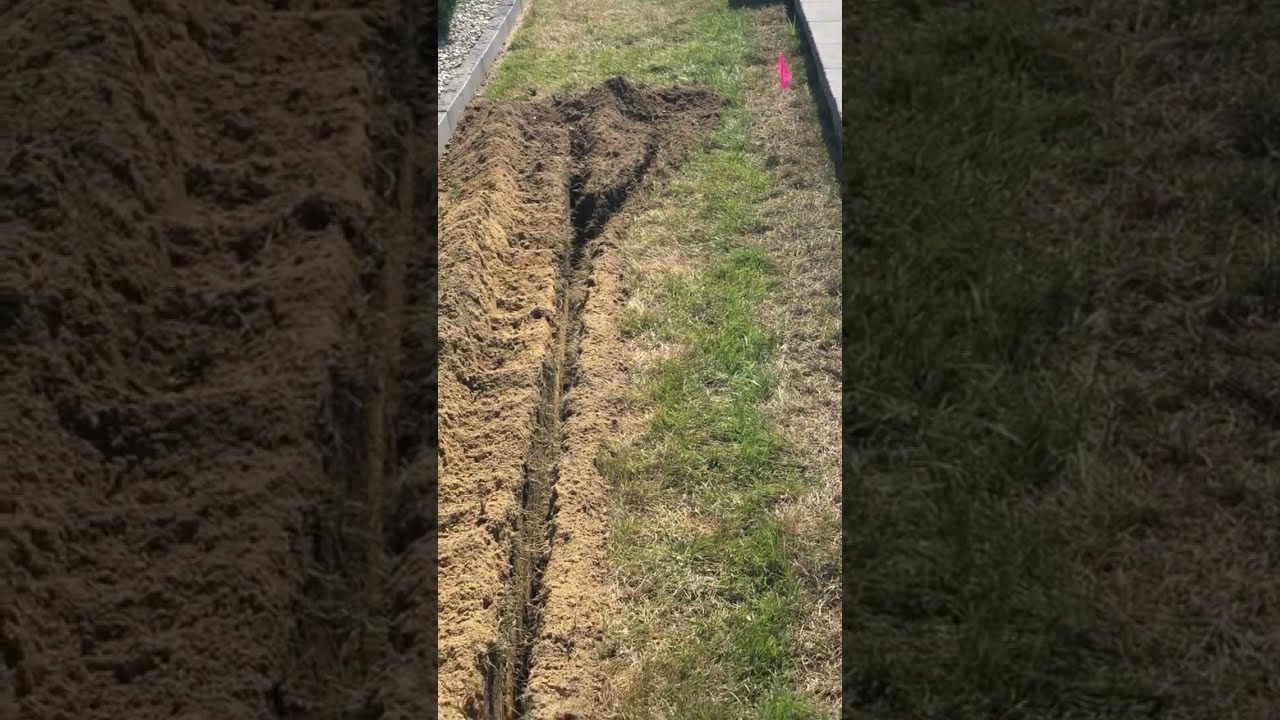
Expect dirt. Despite a rented out stroll behind plate, you will certainly hand dig near roots, energies, and yard beds. Trenches for side lines generally run 6 to 12 inches deep, deeper in freeze climates or where website traffic lots need. Main lines typically go a bit much deeper and make use of Arrange 40 PVC or thick wall surface poly, depending on neighborhood practice. You will transport and backfill soil, tamp to prevent settling, and rake consistently to restore grade. If you are crying in week three, you are not alone.
Expect iteration. A layout that looked balanced can shift when you experience an unmarked stump or a superficial gas line. I have seen house owners pivot from sprays to rotating nozzles midstream because of stress limits, after that relearn spacing standards. None of this is fatal, it simply adds hours.
Expect code knowing. A stress vacuum cleaner breaker or a decreased stress area setting up may be mandated based upon whether your sprinklers are above or below the greatest downstream electrical outlet. Several cities require that setting up to be 12 inches above quality and within an established distance of the resource. Some call for an accredited contractor to connect to the major, though you can frequently run all lateral job yourself.
Finally, expect tuning. As soon as you turn on water, you will readjust arcs, modify nozzles, and program the controller. If you include a wise controller later, you will certainly spend a couple of nights matching its cycle and saturate reasoning to your soil. This is where a client DIYer shines.
Here is an easy pre do it yourself fact check to run through before you devote:
- Have you gauged static and vibrant stress, and confirmed actual circulation at the source you will certainly use?
- Do you have a backflow strategy that fulfills neighborhood code, consisting of placement, allows, and screening if required?
- Can you trench, lay, and backfill 300 to 800 linear feet in your soil within your readily available time?
- Will your layout maintain rotors, sprays, and drip on separate zones, with matched precipitation rates and neck and neck coverage?
- Are you comfy dealing with PVC or poly fittings, solvent welding or clamping correctly, and pressure testing prior to backfilling?
If those five obtain a certain yes, you remain in the area where do it yourself can shine. Otherwise, there is no embarassment in generating a pro for component or every one of the job.
The Specialist Course: What You Get For The Money
The most significant distinction I see between house owner systems and professional installs is not brand or part high quality. It is design and tuning. An experienced installer understands, from a quick stroll and a pressure reading, whether a system should be 4 areas or seven, which heads will certainly deal with the mid-day wind, and where to split a long term to maintain speed down. On a regular country lot, a 2 to 4 person crew will certainly trench, lay, attach, flush, and backfill in a day. They develop this rhythm all season.
Professionals bring code compliance virtually by muscle mass memory. They mount the best heartburn tool and file the license. They place isolation shutoffs where a future repair work will not indicate shutting down the entire house. They stub drip lines to beds and cap them cleanly for future expansion. They established shutoffs in boxes that drain and utilize oil caps on cable mates, which indicates your future self is not fishing for rusty links in mud.
A great specialist additionally carries out a water audit after installment. They run each zone, measure pressure ahead, and use catch cups or at the very least an aesthetic technique to assess distribution uniformity. High circulation harmony implies shorter run times for the very same plant health. In my market, a typical DIY system that a house owner asks me to examine has an uniformity in the 0.5 to 0.6 range. A tuned expert system lands in the 0.7 to 0.8 range. That distinction commonly shows up as 10 to 25 percent much less water usage for the same result.
There is likewise guarantee and service. Lots of professionals guarantee parts and labor for one to 3 years, sometimes longer on significant elements. If a valve sticks in the very first hot week of July, a telephone call gets it dealt with. Rolling that support into your cost calculus makes good sense, especially if your very own routine is tight.
Cost, Time, and Hidden Line Items
Numbers assist. On a level quarter acre great deal with front and back grass, a fundamental six to https://andrecquq028.fotosdefrases.com/diy-vs-professional-lawn-sprinkler-setup-what-you-required-to-take-into-consideration 8 zone system with a typical controller frequently lands in the 3,500 to 6,500 buck range when mounted by a reputable professional, more if you add drip in beds, a Wi Fi controller, and stress managed heads. DIY product expenses for the exact same footprint normally fall in the 1,000 to 2,500 dollar array, plus device rental. A stroll behind trencher may be 100 to 200 bucks per day. Include a pressure vacuum cleaner breaker, usually 150 to 350 dollars partly, and a license if required, which can run 50 to 200 dollars.
Time is the sleeper price. On that exact same whole lot, a handy house owner with assistance will invest 2 to 4 complete days if whatever goes smoothly. If you are discovering solvent welding or battling rough soil, spending plan a lot more. If you are in a freeze environment and need to bury much deeper and sleeve under a driveway, add more still. For many, working with a pro is about compressing two weeks of nights and weekend breaks into one workday.


Hidden prices cut both means. Errors are costly, whether you pay on your own or pay somebody else to repair them. Running too many directly an area can compel a downstream retrofit to divide the area and pull a brand-new valve, a half day with open trenches once again. Skipping a stress regulatory authority on sprays in a high stress community can haze fifty percent your water right into the road. On the pro side, a low bid that leaves out permits or utilizes non stress managed heads can cost a lot more in the long run.
Performance and Water Efficiency
Water is not free, even where rates seem low. The less costly the water, the simpler it is to overlook inadequacy, up until a brownish spot shows up and you crank run times just to be risk-free. Actual performance comes from a few regimented choices.
Head kind and nozzles matter. Dealt with sprays supply greater rainfall prices, frequently around 1.5 to 2 inches per hour. Blades and rotating nozzles apply 0.4 to 0.6 inches per hour. If your soil can only take in 0.3 to 0.5 inches per hour prior to drainage, then sprays require cycle and soak shows, or you will certainly water the walkway. Pressure policy constructed into heads or at the area degree turns haze back into beads, which minimizes wind drift and conserves water.
Coverage harmony is more than a buzzword. When one corner obtains half the water of an additional, you press general run times up to conserve the weak spot. You drainage on the strong side. Excellent spacing and matched nozzles maintain the entire zone constant so you can call run times down.
Smart regulates help, yet they are not magic. Climate based controllers that readjust runtimes based on evapotranspiration can cut 10 to 20 percent off water utilize if the system is sound. If you have poor protection or mix sprays and blades on the same area, a smart controller mostly automates your mistakes. I like them best when coupled with good style, dirt based cycle and saturate, and a rain sensing unit or circulation sensing unit that actually shuts the system down when a valve sticks.
Drip irrigation for beds remains underused. Drip applies water at the origin area, below mulch, with marginal evaporation. It requires a pressure reducer and a filter on the zone and clean directing through beds where you can reach it for future modifications. For hedges and beds, drip beats overhead almost every time.
Risk, Responsibility, and Safety
A shovel that skims a buried wire can turn a Saturday into a long call with an utility company. Call 811, or your neighborhood energy locate solution, well before you dig. They will mark public lines in your right-of-way. Exclusive lines inside your building, like a gas stub to a grill or electrical to a shed, may call for a personal situate service or cautious probing.
Backflow defense is a wellness concern, not just a code checkbox. Install the proper gadget for your problems, position it where it will not flood in hefty rain, and preserve it. If your city calls for yearly testing, placed it on your calendar.
In freeze climates, plan for winterization. Equipments that can not be self draining need to be burnt out with compressed air in the autumn. Do not make use of a pancake compressor from the garage. A lot of can not provide the continual volume you require without overheating. A pro will certainly utilize a tow behind or a high capability device and limitation stress to protect elements. If you anticipate to hire winterization, include that in your allocate continuous lawn sprinkler maintenance.
Insurance can matter. If you struck a water pipe or city tree roots, a person will pay. Check your home owner's plan and, if hiring, inspect that your professional lugs responsibility insurance coverage and workers' compensation.
Property and Environment Nuances That Modification the Math
A small city lot with 2 zones of grass and basic beds is a different animal than a one acre property with mature trees, gusty direct exposures, and quality modifications. Subtlety drives the much better choice.
Heavy clay on a slope asks for reduced rainfall heads, brief run cycles, and often inspect valves on heads at the bottom of a hillside to avoid reduced head water drainage. These details commonly obtain missed out on in very first time do it yourself work. If your building sees afternoon winds over 10 to 12 miles per hour most summer season days, blades spacing and arc selections change. In a slim side backyard, subsurface drip or strip pattern nozzles can outperform inadequately spaced sprays that overshoot fences.
Water resource also matters. If you use a well, cycle run times to let the pump remainder and to prevent attracting down the well when bordering homes do laundry at night. If you have redeemed water, comply with the color coded pipeline and head policies your city sets, and never ever go across link to safe and clean. Those conformity details press numerous house owners towards professional installation.
Mature landscapes bring threat. Trenches near tree origins call for careful routing and, occasionally, sleeving. You might choose to hand dig around roots to avoid cuts that emphasize a favored oak. A pro that has worked in older communities will recognize when to reroute and when minimal pruning is safe.
Maintenance Over the Long Haul
An automatic sprinkler is just like its upkeep. Even well constructed systems drift off-key. Heads sink as dirt settles. Dogs kick spray bodies out of positioning. Controllers lose setups in a power flicker. If you stay up to date with seasonal checks, you cut the number of emergency sprinkler repair work calls, save water, and secure plants.
Routine sprinkler maintenance starts with monitoring. View each zone perform at the very least twice a season. Seek misting at heads, which indicates high pressure or an absent stress regulatory authority. Search for doughnuts of environment-friendly around heads with brownish in between, a timeless indicator of poor overlap. Keep in mind any type of gurgling that suggests a side line leak. Clean or replace blocked nozzles, particularly on drip zones where filters capture most, yet not all, debris.
Electrical concerns prevail and fixable. Shutoff solenoids sometimes stop working. Reduced voltage cords can obtain nicked. Usage water-proof ports in valve boxes and maintain spares available. A multimeter and a straightforward wire tracer speed diagnosis. If repairing is not your thing, this is where a fast pro browse through spends for itself.
Winter jobs matter in cold areas. Blowouts prevent split pipelines. In spring, open shutoffs slowly, view the heartburn device for leakages, and run each area to purge before re installing nozzles. Mid season, after mowing elevation adjustments or aeration, reset head elevations so they get rid of the lawn without misting right into the air.
A short, repeatable seasonal list can maintain you honest:
- Spring start-up: pressurize gradually, inspect the backflow preventer, flush lines, established standard schedules.
- Early summer season: check coverage with catch mugs or a fast visual audit, readjust arcs and heights, verify rainfall or dirt sensors.
- Mid period: examination each shutoff, search for leaks, clear stopped up nozzles, update controller runtimes for heat waves.
- Fall: reduce runtimes as temperature levels decrease, cap and safeguard heads in high web traffic locations during overseeding, schedule winterization.
- Winter: if suitable, total blowout, close seclusion shutoffs, and log any kind of repairs to deal with early next season.
Whether you DIY or work with a professional, these small habits expand the life of your system and keep water expenses predictable.
When do it yourself Makes good sense, And When It Does Not
I urge DIY when a homeowner brings interest and perseverance, when the building is simple, and when there is time to do it right. If you have a rectangle-shaped yard, good accessibility, practical dirt, and you agree to learn more about stress, flow, and rainfall prices, you can mount a system that equals a professional task. The money reduced labor can enter into pressure managed heads, a much better controller, or adding drip to bush beds.
I lean toward expert setup when the property or context raises the risks. Bigger great deals, complicated qualities, tight wind hallways, tricky soil, or rigorous municipal needs push the equilibrium toward experience. If the water meter sits far from the main planting location and you should browse under a driveway or with solution rich locations, a professional with a pipe pulling machine and a practiced crew will obtain it done easily. If your routine is tight or if you favor to handle only regular sprinkler upkeep and leave style and rough in job to others, hiring is a wise choice.
There is additionally a middle course. Several contractors offer layout just solutions. You spend for a strategy with areas, head kinds, and pipeline sizing, then self carry out the set up. Some will harsh in the main, backflow, and valves, and you run laterals and heads. Others will certainly finish the set up, and you handle recurring modifications and small sprinkler fixing. Mixing duties commonly supplies the best of both worlds.
How To Assess a Service Provider Without Transforming It Into A Chore
Keep this easy and based. Ask to see a current work comparable to your property. Stroll it. Seek tidy head spacing, heads flush with grade, and shutoff boxes you can open up without excavating. Ask about their strategy to stress policy and drip in beds. A good response seems specific, not salesy. Confirm license, insurance policy, and whether authorizations and backflow screening are consisted of. Obtain a clear service warranty in writing.
Pay attention to controller programs at turnover. A thoughtful installer will certainly leave you with preliminary routines that mirror your dirt and plant kinds, not a generic 10 mins on a daily basis. They will certainly also show you just how to make seasonal adjustments without calling them back for every tiny change.
Final Perspective
I have drawn pipe in July warm, chased after damaged solenoids at sunset with insects for business, and viewed parched fescue rebound when a bad arc lastly got remedied. The craft of watering rewards cautious arrangement and constant maintenance. Whether you do it on your own or hire it out, go for a system that respects water, secures your home's wellness with correct heartburn avoidance, and gives you time back on weekend breaks. If you maintain those priorities in sight, the option tends to make itself.
And if you do wind up in the trench, take a min to note every cord and take pictures before you backfill. Your future self, or your future specialist, will thank you the first time a line needs a fast sprinkler fixing after a hard winter season or a zealous aeration. That tiny behavior, greater than any brand option or expensive attribute, is what separates a system that ages well from one that maintains you guessing.